The relation between eCommerce, SEO and SEM
Every brand's requirements are different and require an unique combination of SEO, SEM, and ecommerce. Online marketers examine a brand name's goals and abilities to determine what programs are essential but how will they accomplish objectives and what information is needed to accomplish these goals?
30-second summary:
What's the distinction in between SEO and SEM?What are the aspects of a successful search technique?
How can marketers choose a winning formula for their business objectives?Goodway Group's Browse Center of Quality, Lisa Little helps you find the answers.
What's the difference between SEO and SEM? Why should I bid on my own brand keywords? Should we begin with SEO or SEM? Is ecommerce considered search? Where should I invest?To comprehend the relationship of these channels within the search function, think of a playground tournament of dodgeball (SEO), kickball (SEM), and tetherball (ecommerce). All video games are played on the exact same play area (online search engine results page, SERP) with the same type of ball (platforms) however various rules, gameplay, gamer positions, strategic play, variables, and objectives to win.
Some players (marketers) invest everything into playing only one video game. The professional athletes (performance marketers) that play a mix of those games and master the typical skill sets (information storytelling, understanding impact to business, influential interaction skills, consistent knowing, passion to test, welcome fast change) rule the playground.
The SERP is filled with elements and listings of all types that fall into these 3 channels to make up the search marketing function. There are three crucial advantages of a detailed search method:
In tandem, they take up more real estate on the SERP for your brand to own and push out your competition. Integrated brand names can acquire optimal visibility.
The searcher usually does not know if they are engaging with ecommerce, paid, or natural listings, and the ideal combination can indicate that you will be there for your consumer when, where, and how they personally prefer to communicate with your brand name.
Regardless of how chaotic the course to conversion can be today, a combined search strategy will cover full-funnel bases and ensure you're reaching the customer in an individualized, efficient, and efficient method.
Advertisers, brands, classifications, verticals, and seasonality all entered into play when figuring out the ideal combination of SEO, SEM, and ecommerce efforts for your particular brand name. It's certainly not one size fits all.Here's the what, why, and when breakdown to assist brand names as they establish their distinct search combination.
Online search engine marketing or paid search or SEM or Pay Per Click
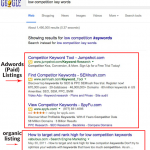
SEM is paid advertising activated by keyword searches. There is a real-time blind auction (a combination of quote, quality, relevancy) each time a keyword is browsed to position on SERP with the other advertisers completing because same auction.

Why?
SEM supplies messaging and targeting control that serves at the top of SERP. If you're not getting involved, your rivals are.When?
Online marketers use SEM when they need instant awareness, traffic, and results. The requirement for managed, promotional messaging and measurement of activity is driven by tangible dollars. Being familiar with your consumer behavior functions as a habits finding out engine. To best make use of SEM, online marketers should have a budget to spend on paid digital media.
SEO or natural search or area listing management
SEO provides listings based upon relevant search terms to the SERPThis can be in the kind of understanding graphs, SEO listings, map listings, social media, ratings/reviews, and more.
Keep In Mind: Additional SEO locations consist of app search optimization, location listing management, content mapping, free shopping listings, web development, and more.
Suggestion
Understand and dig into what overarching terms like "SEO" or "Reputation management" actually imply to brand names, what marketing issues are they attempting to solve, or what they are hoping to achieve.
Why?
SEO is the essential and foundational infrastructure of your brand name's DNA online. Even the most gorgeous mansion (paid marketing) collapses under a weak foundation. The web shares whatever organically so you may not even know what is out there around your brand name without a strong SEO technique and consistently mindful and clever messaging.When?
Every brand that has a website needs to have some involvement in SEO and work within organic listings to achieve business brand name guidelines and objectives. Online marketers must routinely upgrade and enhance area listings for those brick and mortar organizations. This is a continuous procedure, but it generally starts with an evaluation or opportunity examination.
Ecommerce, shopping advertisements (formerly item listing advertisements).
Ecommerce is the broad term for online retail, that includes paid and overdue elements that operate in Find more info tandem. This ranges from going shopping advertisements on search engines and open markets like Amazon/Walmart to combinations like Shopify.
Tip.
Automation and artificial intelligence is key to ecommerce success. Try leveraging a management platform like Kenshoo to consolidate holistic ecommerce stories and acquire advanced abilities in the ecommerce program.
Why?
Ecommerce is vital to drive online sales successfully, efficiently and optimizing impact on the bottom line.When?
If you offer products online, the entry point is going shopping advertisements on online search engine. From there, it depends on merchants, supply chain, and marketplaces your products are sold.
Every brand's needs will be various and need a special combination of SEO, SEM, and ecommerce. Online marketers will have to evaluate the brand name's objectives and abilities to determine what programs are necessary, how they will assist achieve goals, and what data is required to accomplish the goals.
Brand names will have similar goals when carrying out SEO, SEM, and ecommerce, like developing a SERP existence, but there is sufficient opportunity for creativity within these platforms to achieve a brand name's distinct objectives. It is very important that marketers remain focused on these goals throughout the project however likewise be agile as the industry modifications and reallocate funds to various platforms if the preferred results are not attained. Tracking lead to real-time will assist marketers refocus their strategies rapidly to make sure the objectives will be fulfilled.
Now that we know the relationship, usage cases, and benefits-- let's look at some concerns you can ask to assist determine the next actions to take your search program to the next level.
What's your main company goal?
What discomfort points are you trying to solve?
Do you have the right partner who has strength, proficiency, tools, and abilities across all search channels?
Looking at channels holistically, marketers must implement tactical planning with a nimble method to adjust for outcomes is what will drive quality in your general marketing program. While they each play various roles and bring various benefits to advertisers, these channels ought to never be pitted versus each other, compared on a 1:1 basis or change one another's function in the marketing mix. Rather, they need to be considered supplemental to each other and essential to success.