5 Ways to Use Browse as a Growth Channel in 2021
Unlike B2C brands, B2B businesses are typically identified by:
low search volumes on Google.
high competitors on scarcely available keywords.
And there's evidence to support this-- typically, where a seven-year-old B2C company is getting 500K visitors each month from SEO, a B2B brand name the exact same age might be seeing just online marketing websites 15K visitors each month. (This is presuming all other things are equal.).
Check out the example below comparing Zola.com (a B2C brand) and Yiedify.com (B2B):.
These 2 websites were founded around the exact same time (2013) and have been releasing great deals of content. The distinction in their traffic numbers makes it look like Yieldify hasn't been doing much SEO, but that's not the case.
When I utilized the MozBar to examine the on-page optimization they did on their short article about trust badges, I could inform they're at least following fundamental SEO principles, like having focus keywords in their URL, page titles, headers, and meta descriptions:.
I 'd state they've not been awful at optimizing their content for SEO-- if they do enhance all their content like they did this one on trust badges.
My point here is: B2C and e-commerce companies (usually) have method more opportunities in SEO than B2B, particularly in regards to search traffic.
While that is real, it's also true that no matter how few the search visits, there are still a lot of chances in SEO for B2B businesses.
Most of the time, what B2B brands lose in search traffic, they comprise in revenue-- because their products/services are normally more costly than those in B2C.
Long story short: there are opportunities for B2B business in search, and here's how to capitalize on them in the year ahead.
1. Start from bottom (not leading) of funnel.
Every funnel begins at the top, but if you want to produce results as quickly as possible, you need to kick off your B2B SEO technique targeting consumers at the bottom of the funnel.
Ready-to-buy clients are already at the bottom of the funnel (BoFu), browsing for information that'll help them make a purchase decision.
" Is [competitor] a great product/service?".As a wise online marketer, your method ought to be to focus on reaching them with the bottom of funnel content they're trying to find.
You most likely know what BoFu content looks like, however just so we're on the very same page as to what it actually is, see these examples of BoFu content from SocialPilot ranking on page one:.
I'm not affiliated with SocialPilot, so I don't know if they began their SEO material marketing with these BoFu subjects (search terms).
If they did, chances are they experienced fast success (in terms of relevant item awareness and sign-ups), since the articles are ranking on Google's front page for searchers looking for "Buffer alternatives".
Bottom line is, as a B2B brand name, you'll be much better off prioritizing BoFu subjects in your SEO strategy. It's a much better approach than starting all the method at the top of the funnel, which would be targeting searchers who aren't prepared to purchase (or sign-up) choice.
Should not you begin with top of funnel material, since that's where purchasers start their journey?
If you believe your strategy ought to be to first target visitors at the top of the funnel (ToFu), you're probably assuming that your potential customers will initially consume your ToFu content before ever getting to the bottom.
That's seldom the case in reality. What frequently takes place is:.
A potential customer knows they have an issue.
They browse Google for a service.Google shows them numerous options on page one.
They read reviews and supporting details to help them make a purchase decision.They make a decision to either buy or not buy.
If you think back to the last purchase choice you made, this was most likely the path you took.It's not all the time that buyers will begin reading your top of funnel content, find your product, and then decide to start consuming your BoFu content. Often they're currently at BoFu and all it 'd take to persuade them to buy your item is the ideal BoFu material.
2. Make your content t-shaped (for demand and lead generation).
You're most likely thinking, "what's t-shaped content?". Allow me to explain.
At my company (Premium Material Store), we utilize "t-shaped material" to explain the type of content that performs two functions at the exact same time:.
It supplies real value to your ideal prospects.
AND.Produces relevant natural traffic, need, and quality leads for your company.
This little illustration below needs to assist you better comprehend what our "t-shaped content framework" implies:.
In practice, this is an example of t-shaped material from Mailshake:.
After the 5th paragraph of the short article, they introduce a CTA:.
This is a t-shaped material piece due to the fact that:.
The guide is focused on assisting Mailshake's potential clients-- "cold emailers".
The guide is designed to use the CTA to generate need and leads for Mailshake.
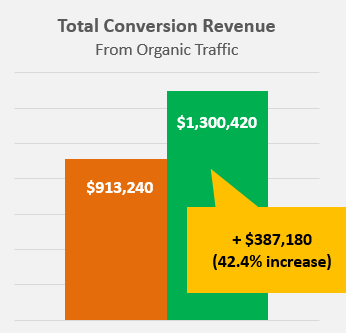
In any case, developing and ranking t-shaped material assists you attain 2 goals:.
Build a brand name that individuals trust.
Produce awareness and generate leads for your item.
3. Don't just rank material-- rank "from-field-experience" material.
One factor SEO gets a bad rap, especially amongst B2B online marketers, is the sheer quantity of low-quality B2B material that's ranking on page one in the SERPs. Which's because, while Google's algorithm has the ability to identify search-friendly material, it's currently unable to see if a page matters for a searcher, at least from a human perspective.

As a B2B online marketer, you don't simply wish to meet Google's requirements and rank on page one. You need your material to rank AND impress your audience well enough to transform them into leads.
How do you do that? You require to compose like specialists speaking with specialists.
Generally, this implies you need to see what other industry experts are saying or have published on any offered subject and define:.

What you disagree with.
What you wish to alter about how something is currently done.How you want it to change or change it.
Derek Gleason of CXL mirrors the same concept in a recent tweet:.
And as a professional in your field, this is a no-brainer: you'll often have a different viewpoint to share about popular subjects in your industry.
For example, as an SEO professional, you probably have fact-based opinions about topics like Google ranking elements, B2B marketing, technical SEO, etc. This knowledge you have about all the subjects in your industry is "from-field-experience" ideas that'll help you get in touch with customers on a much deeper level.
And when you're creating content based upon your initial viewpoints, experience, thoughts, or convictions, you will not be seeming like everybody else and your material will stand out. Even if it's similar to other rivals' content, it'll still have your original ideas.
But how do your initial ideas impact earnings or growth?
Your clients aren't all at the bottom of the funnel. While I've recommended beginning your SEO marketing method by dealing with BoFu topics, a number of your possible purchasers are still at the top and middle of the funnel.
This suggests, at the phase where they're reading your "from-field-experience" material, they're not even thinking of your product at all. With the ideal type of material-- with your original thoughts and ideas, you can move them from the top/middle to the bottom of the funnel.
If they have actually been consuming your ToFu material for any amount of time, your brand will get their attention better when it's time for them to consider making a purchase decision.
And yes, they'll eventually decide based on reviews and other BoFu content, but your ToFu and MoFu material will help you establish authority and trust with potential customers. This will typically give you a leg up on your rivals when it's time for ToFu/MoFu prospects to make a decision.
Dom Kent of Mio when shared how people in the partnership industry keep discovering Mio whenever they search for anything associated to their industry; that's one example of what ToFu and MoFu material does for your brand name.
It's like when you Google something about sales management, and Close's material keeps revealing up. It doesn't always suggest you'll sign up for Close, however that's at least one of the brands you 'd think of.
4. Prevent covering too many fundamental subjects.
Typically in B2B, your perfect buyers are skilled professionals. This means that the majority of the time, they don't need material on the standard subjects that entry-level workers might.
If they're sales leaders, for example, they rarely search for content on basic topics like "what is a sales script" or "how does CRM work?".
You're much better off covering more vital and advanced subjects-- despite whether those topics have high search volume or not.
CRM provider Copper currently ranks for "cold call script to get consultation".
It's a long-tail keyword with just about 500 searches per month.
The low search volume may look unsightly on the surface, however Copper's target consumers are the ones searching for it, and that's more vital than them ranking for a high search volume keyword like "what's a sales pipeline?" that doesn't regularly get browsed by those customers.
Throughout your keyword research study phase, it's simple to get distracted by high search volume keywords that your target market barely ever searches for on Google. Move past that diversion and concentrate on creating content for keywords your target buyers require content on-- even if those keywords have low search volumes.
5. Look after your technical SEO.
In my first four points, I covered things you require to know about high-quality content development and the content technique side of SEO, however I haven't ignored the technical side.
You require to pay attention to technical SEO as well, as it can make or break the opportunities any B2B website can obtain from search.:.
Here are the most important parts of tech SEO that you must get in the practice of checking:.
HTML tags: Your HTML tags assist online search engine understand what's on your page. See it by doing this: you comprehend English (and any other language you speak), online search engine algorithms comprehend HTML tags (plus human language).
Meta descriptions: These assist search engines comprehend the material of your web pages even more. It's generally the summary of your content, showing searchers and search engines a fast summary of what's on your web pages.
SEO-friendly URL: This one is typically considered a "small Google ranking aspect" by lots of (if not most) search online marketers. Enhance your URLs to make them SEO-friendly. User experience (UX): This includes site speed, navigation, ease of access (for visitors from PC and mobile phones), and everything else that makes your material and web pages simple to use for searchers. Google's algorithm has been built to be powerful adequate to figure out which pages have great UX, so you require to ensure your pages are easy to use, navigate, and access. Backlinks: They may be last on the list here, but backlinks are quickly among the most crucial ranking aspects you need to pay mindful attention to. As you know, the more backlinks you get, the more powerful your opportunities of ranking. In conclusion. There are a lot of opportunities in SEO for B2B business-- even though the search volumes are typically low. I've covered what you 'd require to utilize search to your advantage as a B2B online marketer. To wrap up, you should kick-off your SEO and content marketing by targeting BoFu prospects. And make your material T-shaped, so that it benefits your audience and service at the very same time. Don't just rank material for organic search traffic, rank with "from-field-experience" content/ideas; this will help you generate need and quality leads as readers will be drawn to your expertise.